Caring for your pelvic health
Translation playlists
What are my pelvic floor muscles and why care about them?
The pelvic floor muscles are a group of muscles that sit inside the pelvis. They attach from the pubic bone at the front, to the coccyx bone at the back, forming the floor of your pelvis. Pelvic floor muscles have the following uses:
- Control – helping you to control wee, wind and poo
- Support – acting like a hammock to support your pelvic organs (bladder, uterus and bowel)
- Sexual function – helping improve sex by increasing your sensation and orgasm
- Stability – helping to keep your pelvis and hips stable
My pelvic floor during pregnancy & after birth
Pregnancy changes your body in many ways. Whether you have a vaginal or caesarean birth, your muscles have been stretched and it is important to strengthen them before and during pregnancy, as well as getting them working well after birth too. Building up the strength of your pelvic floor muscles may take months, but any changes you experience during pregnancy or birth will repair faster and more effectively if you do these exercises before giving birth. Carrying on these exercises beyond birth can reduce future risk of back pain, prolapse (pelvic organs dropping down into the vagina) and incontinence (leakage). This becomes important later in life and during the menopause.
You may feel worried after birth that your pelvic floor muscles feel weak, this is normal. You may also feel that you have difficulty carrying out your pelvic floor muscle exercises and that you have lost sensation in your pelvic floor. This usually improves with time if you carry on doing the exercises long term. Pelvic floor exercises should be seen as a lifelong habit to get into.
Your Midwife or pelvic health Physiotherapist will be able to check if you are doing the exercises correctly or if you are having seeing an improvement. Remember, you can also self-refer into our service if you need further support or advice.
Getting Help
It is common to feel embarrassed, or to think that it is normal to have pelvic floor problems whilst pregnant or giving birth. These are some of the reasons people do not seek help:
“It’s normal after childbirth”
“I’m too embarrassed to talk about it”
“What if treatment is painful or risky?”
“I’m too busy with my new-born baby”
“I didn’t know that help was available”
Remember – help is available for these symptoms. This page contains advice, self-care tips and information on when, where and why to seek help.
Pelvic Floor Exercises
It is recommended to do pelvic floor exercises during pregnancy and after birth. This may help prevent symptoms of pelvic floor dysfunction such as bladder and bowel leakage or prolapse.
Research shows that pelvic floor exercises prevent and treat incontinence (leakage from bladder or bowels) and other pelvic floor muscle problems. Daily pelvic floor muscle exercises during pregnancy decreases likelihood of developing continence issues both later in your pregnancy (62% lower risk) and in the postnatal period (29% lower risk). (Woodley et al 2020).
Useful Information
Click on the following picture below for videos on how to complete pelvic floor muscle exercises.
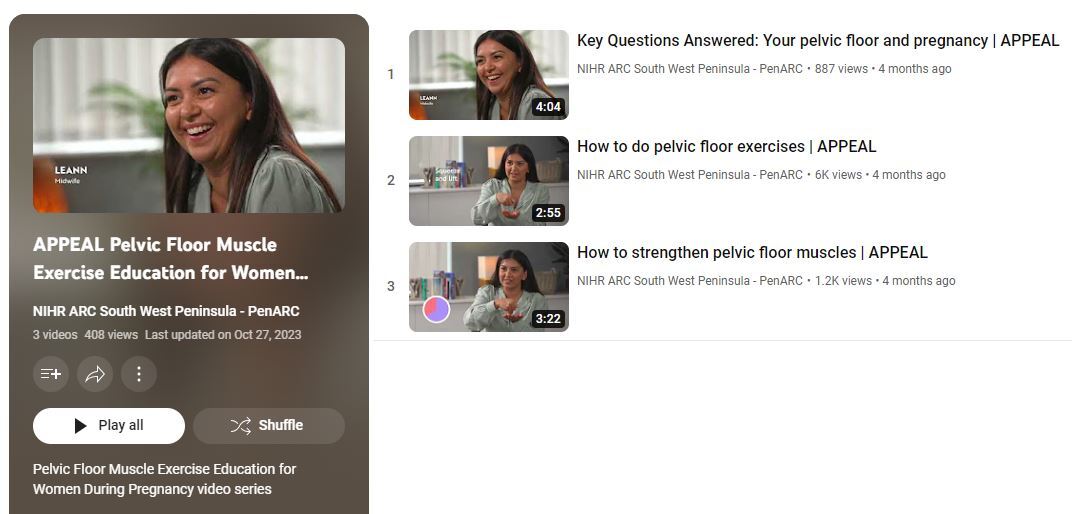
POGP website- pelvic floor muscles (translations)

If you are experiencing symptoms and have no improvement after 6 weeks of exercises, or are struggling to locate your pelvic floor muscles please self-refer into our service using the self-assessment/referral link.
Vulval care
What is the vulva?
The vulva is the area surrounding the opening of the vagina outside of your body. It includes the labia (inner and outer vaginal lips) and the clitoris, but not internally inside the vagina.
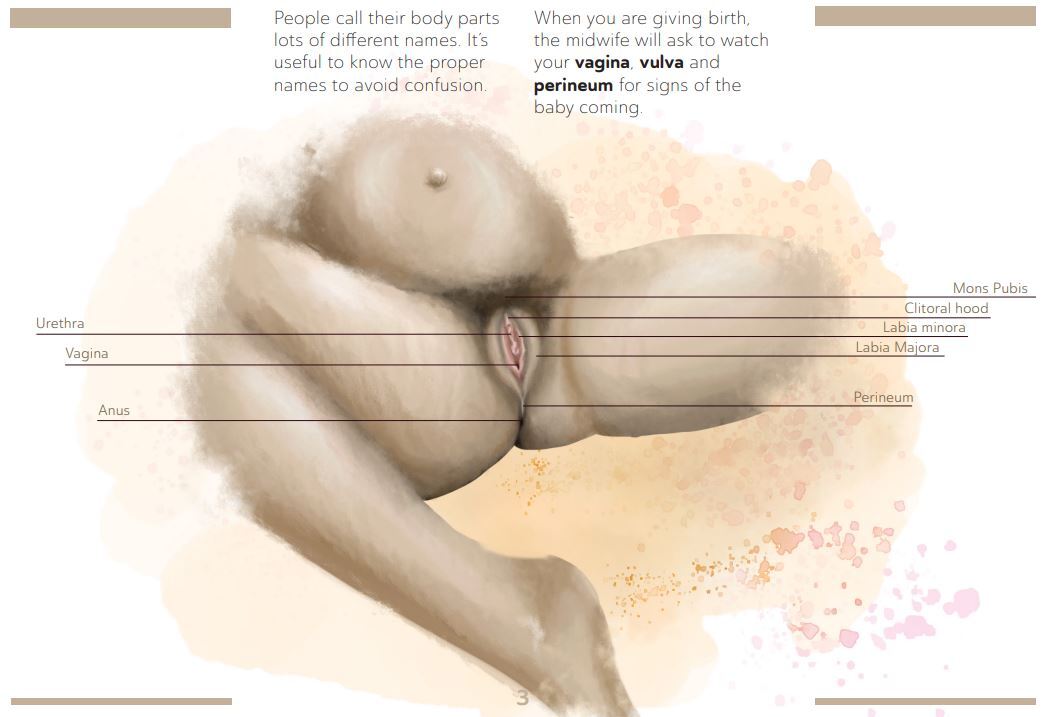
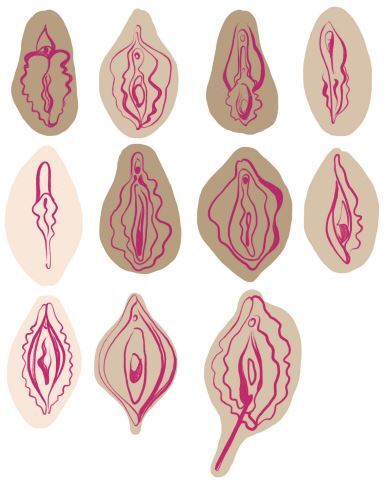
Many thanks to Red Flags study for use of these images.
Washing
Vulval skin is very sensitive so it is important to avoid irritants that may make the skin feel irritated, dry or uncomfortable.
- Washing with soap and water may cause dry skin and make itching worse. Using soap substitutes can be soothing and protective, and will stop the skin from becoming dry and irritated. Aqueous cream or emollient is a special type of moisturiser available without prescription from your pharmacy or on prescription from your doctor. It can be used instead of soap and if kept in the fridge can have a cooling effect.
- Too much washing can make symptoms worse- ideally clean your vulval area once a day, if possible, showering instead of bathing. Avoid antiseptics or using sponges or flannels to wash the vulva as these can irritate the skin. Internal washes or douches are also discouraged. Simply pat the area dry with a soft towel.
- Disposable panty liners/period pads and coloured toilet paper contain chemicals which can cause irritation, so are not recommended.
- Following birth you will need to wear period pads for some weeks, however when the bleeding begins to settle try to do without these, for example at home or at nighttime by sleeping on a towel.
- If you leak urine or are bleeding for a prolonged time following birth you may need to wear period or incontinence pads. Try reusable cotton-based period pants or reusable incontinence pads. Change your pants more frequently or alternate between disposables and reusables depending on your activity that day.
- If urine, faeces, or blood is left in contact with the delicate vulval skin this can also cause irritation. Allow some time potentially overnight without underwear to allow airflow and wash more regularly throughout the day.
Clothing
- It is recommended to wear loose-fitting cotton or silk underwear (rather than synthetic, dyed underwear). White or light-coloured underwear is preferable as dark textile dyes may cause allergies.
- If irritation occurs you may find it helpful to avoid tightly fitted clothes such as tights, leggings, tight jeans and cycling shorts. Avoid fabric conditioners and biological washing powders. At home, you may find it more comfortable to wear loose-fitting clothes and to sleep without underwear.
Irritants
- Soaps, shower gels, scrubs, bubble baths, deodorants, baby wipes and douches used on your vulva or in your vagina can all cause irritation. These products disrupt the delicate balance of good bacteria (called flora) in these areas. As previously mentioned, emollients would be recommended instead. The vagina is considered ‘self-cleaning’ and does not require washing.
- Be careful when using over-the-counter preparations (e.g. baby or nappy creams, herbal creams containing tea tree oil and/or aloe vera and thrush treatments). Some of these may aggravate allergies and prolong symptoms.
- If you tend to scratch your skin keep your nails trimmed to avoid damaging the area. If symptoms do not settle, contact your GP to rule out a condition called Lichen Sclerosus.
Emollients
Emollients (moisturising creams and ointments) help protect the skin. They are available over the counter, online or on prescription for specific skin conditions. Using an emollient even when you do not have symptoms can prevent skin problems in the vulval area.
It is important to find the one that suits you best – if the first one you try does not relieve your symptoms, it is worth trying a different one.
If you are concerned about your vulval health, please speak to your midwife or GP and read this leaflet for information on specific vulval conditions.
Staying active
Translation playlists
- Being active is an important part of keeping well physically and mentally. During pregnancy being active can help you prepare and cope with the pressures of labour and the early days of parenthood.
- You might always have been an active person or finding out you are having a baby might be the time you decide to include more exercise in your life.
- Being active benefits you and your unborn baby. These good habits are going to be positive for the whole family’s wellbeing for the future too.
Useful Links
Please click on the following links for further information on safe exercise during pregnancy
- POGP guidance for exercise in the childbearing years
- NHS choices
- Tommy’s
- Home | Active Pregnancy Foundation
The poster below is the recommended amount of physical activity during pregnancy

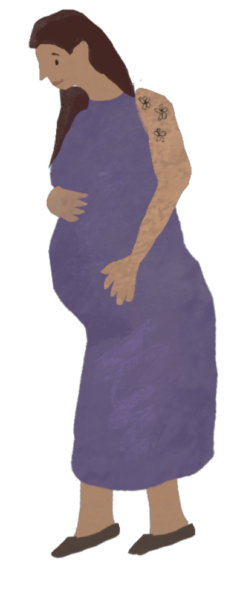
Posture and positioning during pregnancy and following the birth
Healthy bladder and bowel
Having a healthy bladder and bowel can help you avoid pelvic floor dysfunction (PFD).
Urine (going for a wee)
During pregnancy it is recommended to reduce caffeine (including tea, coffee, coke) to lower than 200mg per day. Above this can increase pregnancy complications. Any caffeine can increase blood pressure and heart rate, and also increase the urgency and frequency that you will need to wee.
When using the toilet sit down to wee, don’t hover! Sit in a relaxed position and lean forward with your feet apart. This will help your bladder to empty fully. Remember to give your bladder time to empty.
When you have a newborn baby or small children you may often hurry off the toilet before you have completely finished. This can lead to you needing to go back again or leaking after you think you have finished.
If you have full/normal bladder sensation, try to avoid ‘just in case wees’.
During pregnancy you may feel you are going to the toilet very often due to the pressure of your growing baby. After birth over the following weeks and months teach your bladder to hold again, aiming to go every 2 – 3 hours. Try to avoid going just because you are going out of the door, as this can train your bladder into holding less urine.
Check your urine. If it is dark, cloudy, smelly or blood stained make sure to tell your Midwife or GP. During pregnancy you are more likely to get urinary infections and a health professional can check this for you, but also rule out other causes.
For more information, read the Promoting Continence leaflet here.
Bowels (going for a poo)
What’s normal?
- Bowels love a routine so aim for a hot drink first thing in the morning and going to the toilet around 20 minutes after breakfast. It is not necessary to empty your bowels every day though anything from 3 times a day to 3 times a week is considered normal.
- Your poo can look very different in shape, size and even colour. Ideal consistency of your poo should be around type 4 on the Bristol Stool Chart below. It should be firm but not hard and easy to pass without the need to strain. Poo like this is easier to hold onto and less likely to cause urgency or leaking.

Top Tips
Try and drink 6-8 glasses of water a day to prevent your poo from becoming hard and difficult to pass.
Eating a balanced nutritional diet will help your poo to be soft and formed. Read more about eating well during pregnancy.
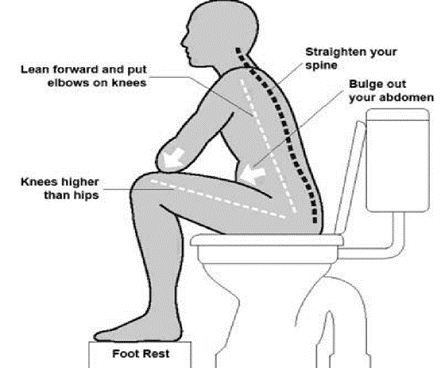
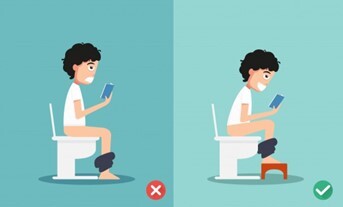
Use a footstool to poo. Placing a stool or toddler step under your feet can ensure you are in a more relaxed squat position. This will help you to pass your poo more comfortably.
Listen to your bowel It is important to make time to poo when your body tells you it needs to go. If you miss the ‘call for stool’ it can then be harder to open your bowels.
Don’t strain, this can weaken the pelvic floor muscles further. If you are finding your poo is too hard and difficult to pass, discuss treatment options with your health professional.
Translation playlists
For more information, visit the Improving your bowel function leaflet here.
Gut Health and IBS
Our gut plays an important role in our overall health and wellbeing. A healthy digestive system supports nutrient absorption, immune function, energy levels, and also plays a big part in influencing mood and mental wellbeing.
The gut contains trillions of bacteria and other microorganisms, known as the gut microbiome, which play an important role in maintaining digestive health, supporting the immune system, and helping the body absorb nutrients from food. Increasing research has shown that the gut also communicates closely with the brain through the gut-brain axis, meaning that gut health can influence mood, stress levels, and overall wellbeing.
During pregnancy and after birth, hormonal changes, altered eating habits, reduced physical activity, stress, lack of sleep, antibiotics, and illness can all affect the balance of the gut microbiome. This may contribute to symptoms such as bloating, constipation, diarrhoea, abdominal discomfort, or flare-ups of existing conditions such as Irritable Bowel Syndrome (IBS). IBS is a common condition affecting the digestive system and can cause symptoms including abdominal pain, bloating, diarrhoea, constipation, or a combination of both.
There are several ways to support a healthy gut microbiome. Eating a varied diet rich in fruits, vegetables, wholegrains, beans, pulses, nuts, and seeds helps provide fibre, which feeds beneficial gut bacteria. Staying well hydrated, exercising regularly, managing stress, getting adequate sleep, and not smoking can also support gut health. Including fermented foods such as live yoghurt and kefir may help increase the diversity of beneficial bacteria within the gut. Small, sustainable lifestyle changes can have a positive impact on both digestive health and overall wellbeing.
Supporting Your Gut Health
The following may help support a healthy digestive system:
- Eat regular, balanced meals.
- Include a variety of fruit, vegetables, wholegrains, nuts, seeds and fermented foods such as live yoghurt and kefir
- Drink plenty of water throughout the day.
- Stay physically active within your abilities.
- Manage stress and prioritise rest where possible.
- Not smoking and limit caffeine intake
- Identify and avoid any foods that trigger your symptoms. [nhs.uk],
IBS During Pregnancy and After Birth
Pregnancy hormones, changes in gut motility, altered activity levels, and the demands of caring for a new baby can all influence bowel habits and IBS symptoms.
You should seek advice from your GP, midwife, or healthcare professional if:
- Your symptoms are new or worsening.
- You have persistent diarrhoea or constipation.
- You experience unexplained weight loss.
- You notice bleeding from your bottom.
- Your symptoms are significantly affecting your quality of life.
Helpful Resources
NHS – Irritable Bowel Syndrome (IBS)
Information on symptoms, diagnosis, treatment, diet, and self-management. https://www.nhs.uk/conditions/irritable-bowel-syndrome-ibs/
NHS – Indigestion and Heartburn in Pregnancy
Advice for managing common digestive symptoms during pregnancy. https://www.nhs.uk/pregnancy/common-symptoms/indigestion-and-heartburn/
NHS First line advice dietitians talk (30mins)
BDA(Association of UK dietitians) weblink to IBS and diet
Nutrition and pain resources (Livewell with pain)
MIND: Food and mental health
Stop smoking
People who smoke have a higher risk of urinary leakage compared with non-smokers as having a chronic cough can weaken your pelvic floor.
If you stop smoking now it will make a big difference to your health and the health of your developing baby. The earlier you give up smoking in pregnancy, the better. But quitting at any stage will benefit both you and your baby, so don’t give up on giving up.
If you would like support in stopping smoking, please self-refer via Stop Smoking Devon
Royal Devon University Healthcare
Northern Services
- Email: rduh.maternitysmokingcessationservice@nhs.net
- 07917 277957 Monday to Friday.
Eastern Services
- Email: rduh.maternitysmokingcessationteam@nhs.net
- Mobile: (Mon/Wed/Fri): 07795 567084
- Mobile: (Tues/Thurs): 07469 426626
- Team office: (01392) 406301
University Hospitals Plymouth
- Email: oneyou.plymouth@nhs.net
- Call: 01752 437177
- Smokefree Cornwall
- Smoke free pregnancy Plymouth
Torbay and South Devon NHS Foundation Trust
Further support can be found on the NHS stop smoking service, NHS Choices and Tommy’s websites.

Healthy eating and optimal weight
When a person has a high Body Mass Index (BMI) of 26 or above, their pelvic floor has a heavier load to support. Extra weight presses down on the bladder and bowel and can make it harder to control the release of wee, poo or wind.
Women with a BMI higher than 30 also have higher intra-abdominal pressure (pressure inside the abdomen). This extra pressure may weaken the pelvic floor structure and again cause difficulty controlling the release of wee, poo or wind.
Who can Help?
If you feel worried and would like more advice about healthy eating, you can speak to your midwife throughout your pregnancy and up to 28 days after the birth of your baby. After this time, you can contact your GP or Health Visitor for further support.
Useful links for healthy eating NHS keeping well and existing health conditions and weight gain in pregnancy.
Support for LGBTQI+
Devon Perinatal Pelvic Health Service recognises the need for holistic care for every individual. We encourage use of pronouns, use of personal preferences for names of body parts and discussions around sexuality.
The Pelvic, Obstetric, Gynaecological Physiotherapy (POGP) has coproduced an information booklet with trans/non-binary people to provide information on all aspects of pelvic health which may be helpful to you in your perinatal journey.
Click here for more information.