Pelvic health problems
Translation playlists
Bladder and vagina problems during pregnancy and after can also be called pelvic floor dysfunction (PFD). This is a term for a group of conditions caused by the pelvic floor (muscles, fascia and ligaments) not working correctly. These symptoms can include;
- Accidental leakage of urine (Stress Incontinence)
- Urgency to go to the toilet (Overactive Bladder)
- Bladder retention or sensation issues (the urge to pass urine) around pregnancy and birth
- Accidental bowel leakage (Anal Incontinence)
- Pelvic organ prolapse – descent of one or more of the organs into the vagina.
- Painful sex (Dyspareunia)
Bladder and bowel problems
Translation playlists
Accidental leakage of urine (Stress Incontinence)
Stress Urinary Incontinence is accidental leakage of wee when you do something that increases the pressure in the tummy. This is the most common type of incontinence and often happens when jogging, dancing, jumping, coughing, laughing or lift your baby.
Useful link:
Click here to find out more about promoting continence from the POGP website.
Urgency to go to the toilet (Overactive Bladder)
Overactive Bladder is when your bladder squeezes and tries to empty without you wanting it to, giving you the overwhelming urge to empty your bladder. It is for this reason it is also known as “Urge Incontinence”.
You may need to rush to the toilet quickly or go for a wee more often than normal. This may include waking up in the night needing to wee or experiencing accidental leakage when rushing to the toilet.
Overactive Bladder Syndrome is caused by the muscle in the wall of the bladder contracting and squeezing when it should be relaxed (the bladder thinking it is full when it isn’t). The overactive bladder muscle contracts to cause urinary frequency (weeing every hour), urgency and night-time weeing.
Sometimes an overactive bladder can develop at the same time as Stress Incontinence, and you may be affected by both conditions.
Useful link:
Click here to find out more about promoting continence from the POGP website.

Bladder retention or sensation issues around pregnancy and birth
Please read section in ‘Caring for my pelvic health following birth- Bladder and bowel- Bladder care’
Accidental bowel leakage
Faecal Incontinence is when you have to rush to the toilet with a sudden urgency to empty your bowel that you can’t control, or realise that you have soiled yourself unexpectedly, or suffer leakage of poo when you pass wind.
Faecal Incontinence can occasionally occur after birth. Please contact your maternity team the same day if faecal incontinence occurs for immediate support, as this may be linked to medication you are taking. They may recommend self-referring to our services for ongoing support from our team.
Please follow further advice on gut health and IBS here.
Useful links:
Faecal Incontinence | Bladder & Bowel Community (bladderandbowel.org)
Bowel incontinence – NHS (www.nhs.uk)

Pain and discomfort problems (painful sex, prolapse, coccyx pain and understanding chronic pain)
Translation playlists
Painful sex (Dyspareunia)
Painful sex is called dyspareunia, and you may feel upset when you are unable to enjoy sexual activity with your partner. You skin maybe sensitive at the opening of the vagina; you find it difficult to insert a tampon or have deep pelvic pain during intercourse. Dyspareunia is a common health problem and is often neglected. It is often described as deep (deeper into vagina) or superficial (vulva or vaginal entrance).
There are many ways to resolve pain and support more enjoyable sex with specific advice and simple exercises and techniques.
It is recommended to have a face-to-face appointment so we can understand your issues completely and give you a rehab plan which is specific to your needs.
However, there are things that you can do to help yourself.
- A natural paraben free lubricant can be helpful (if you are using condoms, you should use a water-soluble gel). These are readily available online. Sometimes, women who have recently had a baby may notice the vagina is drier than usual, particularly if they are breastfeeding.
- If pain is worsening, limit sexual activity until sensitivity reduces and muscles recover.
- Talk to your partner and consider different activity or positions if this makes it pain free.
- Gentle touch on the vulva or next to the painful area. Consider gently touching the vulva (outside genital area) with different textures like warm fluffy towels or light silk fabric to introduce good sensation to the area and lessen a sense of threat. Your physiotherapist can guide you with this technique called graded exposure.
- Stretching to the muscles that connect to the pelvic floor can be really helpful. Try and get a routine of daily stretching and breathe big and slow.
- Pain can create problems with poor sleep, fatigue, anxiety, low mood, nausea, sweating, dizziness or faint feelings. Learning to manage stress and anxiety with relaxation, mindfulness and yoga can help symptoms. Try a short, guided mindful meditation or simple breathing techniques for a few minutes each day.
- Optimising Sleeping Well video gives further information about optimising sleep.
Constipation can also contribute to pelvic and vaginal pain. See Healthy Bladder & Bowel section within caring for your pelvic health.
This workbook is designed for use for those who have been diagnosed with vaginismus or vulvodynia. Click here to access the vaginismus recommended workbook.
Pelvic organ prolapse
What is a pelvic organ prolapse?
Pelvic Organ Prolapse is where one or more of the organs in the pelvis slip down from their normal position and bulge into the vagina. It can be the womb (uterus), bowel, bladder or top of the vagina.
The organs within a woman’s pelvis (uterus, bladder and rectum) are normally held in place by ligaments and muscles known as the pelvic floor. If these support structures are weakened, the pelvic organs can bulge (prolapse) from their natural position into the vagina. When this happens, it is known as pelvic organ prolapse.
Following vaginal birth, it is normal for your anatomy to look different or to feel a dragging sensation, this will reduce with time and pelvic floor exercises.
It is common for your vaginal wall or top of your vagina to move downwards and cause a bulging or heavy feeling at the vaginal entrance following birth. The bulge may stay within the vagina or beyond the vaginal entrance and feel like a small plum. If the sensation is causing pain or discomfort, please seek support.
What are the different types of pelvic organ prolapse?
The most common types of pelvic organ prolapse are:
An anterior vaginal wall prolapse is when the bladder and/or urethra bulges into the front wall of the vagina. This is also called a cystocele or cystourethrocele.
A posterior wall prolapse or rectocele is when the rectum bulges into the back wall of the vagina. The small bowel may also bulge into the back wall of the vagina, this is called an enterocele. A rectal prolapse is different to a rectocele and occurs when the back passage or rectum comes out of the anus.
A uterine or womb prolapse is when the uterus drops down into the vagina.

How common is pelvic organ prolapse?
A prolapse is very common, and it is not life threatening. It is difficult to know exactly how many women are affected by prolapse since many do not see their doctor for it. It can sometimes cause pain and discomfort but there is a lot than can be done to help so please consider referring yourself to our service.
Symptoms can be improved with pelvic floor exercises, Physiotherapy and lifestyle changes, but sometimes medical treatment is needed.
What can I do help reduce and manage my pelvic organ prolapse?
Your options for treatment will depend on the type and degree of prolapse you have and your individual circumstances, such as age, general health, whether you are sexually active and whether you have completed your family.
For further information on symptoms and treatment options, please see the following links.
Useful links:
POGP website prolapse information available in different languages

Coccyx/tailbone pain
Tailbone pain (coccydynia) is pain or heightened sensitivity in the bone at the base of the spine (coccyx), near to and above the anal sphincter. There are things you can do to ease the pain – do get medical help if it does not get better after a few weeks.
Advice:
- Try a coccyx cushion to help you sit more comfortably.
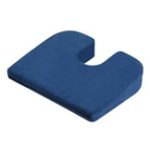
- Try to sit comfortably and avoid prolonged periods of time in sitting especially on hard chairs. Gradually progress the length of time in sitting as the sensitivity settles.
- Stretch, contract and relax and breathe deeply into your pelvic floor muscles.
- Resting positions like the yoga child’s pose can feel good.
- Gently continue with pelvic floor exercises as this can also help to normalise sensation but be kind to yourself and allow complete relaxation of the pelvic floor before trying another contraction (see section on website ‘caring for your pelvic health’ .
- Stretches and massages to the hamstrings (muscles in the back of your leg) and glutei and piriformis (muscles in your buttocks) can also help reduce tension at the coccyx and pelvis allowing for recovery.
- Coccyx pain can take time to settle for more information about timelines and when to seek further help please click on this link NHS advice coccyx pain
Useful information on understanding chronic pain
Please watch this animation to better understand pain and the brain.

Understanding pain and what to do about it
The pelvic pain network resources: what is pelvic pain? guide to vulval pain relief
Pelvic Girdle Pain during pregnancy (PGP)
Pelvic girdle pain during pregnancy (PGP)
PGP is common with as many as 1 in 5 pregnant women reporting symptoms. Although common, it is not a normal part of pregnancy and there is a lot of advice and treatment available that can help. A small number of women may find symptoms persist after pregnancy.
You can arrange physiotherapy input to help after trying advice below.
The symptoms of PGP may cause difficulty and/or pain with:
- Walking
- Standing on one leg – stairs, dressing, getting in/out of bath
- Moving legs apart – getting in/out of car
- Clicking grinding in pelvic area – you may hear or feel this
- Hip movements – turning in bed
- Some lying positions – side or back
- Some normal everyday activities
Causes of PGP are thought to be due to a variety of factors relating to normal pregnancy changes but sometimes there are no obvious explanations, pain just comes on gradually.
We used to think that PGP was caused by the hormone relaxin making the pelvic joints loose. We now know that this is not actually true. Your pelvis remains strong and stable during pregnancy and birth. The discomfort you can sometimes feel can be ramped up by the brain’s threat system and so recognising this can be very empowering as small changes highlighted in the booklet below can really help dampen and resolve pain and increase your ability to enjoy your pregnancy.
As pregnancy progresses your body changes shape and your weight increases. Pregnancy hormones are released but do not drive the pain and simply have a softening effect on collagen and help your body adapt to carry your baby and prepare your body for birth. Sometimes discomfort is a body’s way of asking you to listen and be mindful of its needs. It’s OK to rest and ask for help with activities you may find difficult.
All these changes alter the demands on the muscles, tissues and joints around the tummy, pelvis, hips and pelvic floor. Some supportive muscles are then not able to work so effectively, whilst others may overwork and become tight and tender because of overcompensation. This can result in an alteration of how your body moves with irritation and increased sensitivity of the joints and tissues around the pelvis.
Easy physiotherapy and self-help techniques, advice and some exercises can help dampen down and resolve your pain.
Equally influential to PGP are other factors such as poor sleep, stress and anxiety, previous history of back pain and constipation.
Top Tips to help PGP:
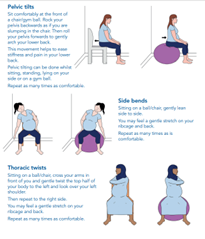
- Sleep – sleep link pillows and winding down. Calm app De-stress before bed – Tai Chi and Qi Gong or prenatal yoga or even just sitting or leaning over a gym ball (rhythmic movements)
- Breathwork and rest and relaxation– Try lying on your side in bed and gently breathe into your belly. See if you can simply breathe in for 4 seconds and out for 6 seconds as comfort allows. Sigh and repeat for 1-2 minutes.
- Massage – See if you can when lying on your side work a tennis ball or massage aid into your buttock and hip muscles. Just identifying tension in your muscles can help them relax!
Please read this important booklet on practical day to day tips or see above suggestions and links prior to self-referral into your local specialist physio team.
Useful links:
POGP – how to help yourself manage PGP
Mental health
Birthing people and women who have pelvic floor conditions can also have higher levels of depression and anxiety, experience low mood, and emotional distress, impacting on quality of life. Seeking support from your health care provider may take courage. It is important to talk to them about your concerns. Remember your health care provider is there to support you and they are used to helping people who have sensitive issues. They will do their best to make you feel comfortable and make sure you receive the support and treatment that you need.
Are you experiencing any of the following?
- I need support recovering from my birth physically or emotionally.
- I’m experiencing signs of PTSD/Birth trauma?
- I have persisting feelings of low mood, tearfulness or overwhelm.
- I’m feeling particularly anxious and worried about things.
- I have/had a mental health condition and have found a change in my well-being since having my baby.
- I have any other concerns
Many women do experience these problems and help is available. If these questions raise any issues for you, please seek support from your midwife or GP.
Across Devon there are perinatal mental health services, please visit Devon Partnership Trust website here for more information.
The Birth Trauma Association (BTA) and Make Birth Better support women who suffer birth trauma – a shorthand term for post-traumatic stress disorder (PTSD) after birth.